
Two-Day Master Retreat
Forensic Forgiveness: Master The Divine Pathway
You've tried to forgive. It didn't work. There's a reason.
A sustained two-day practice of direct forgiveness, honest inquiry, and release—with Connect & Let Go and The Sedona Method at its center.
Paul Wagner · A lovely venue in Denver - shared upon registration
Digital Forensic Forgiveness eBook and eWorkbook included.
You've Been Carrying This Long Enough
You have done the work. You have read the books, tried the meditations, sat through the therapy sessions, and told yourself it was time to let it go. And still there is something underneath all of it that has not moved: a weight, a pattern, a feeling you cannot quite name but cannot seem to shake. That does not mean you are broken. It may mean the tools you were given taught you how to understand your pain without actually meeting the places where it is still held.
Forensic Forgiveness is not a request to make what happened okay. It is not a performance of being peaceful, a pardon for someone who has not earned one, or an invitation to return to a relationship that is not safe. It is a sustained two-day master practice for people who are ready to stop carrying an old grievance as the proof of what was done to them. We work with Connect & Let Go, The Sedona Method, direct personal inquiry, and enough repetition to stay beyond the first polite answer.
Real forgiveness is forensic, methodical, and sometimes ugly. It asks you to feel what you have been avoiding—not merely explain it—so the old charge no longer gets to organize your inner life. You are not here to become more acceptable, more spiritual, or easier for anyone else to be around. You are here to investigate what has kept you bound and to recognize the wholeness that was never actually damaged.


Photographs from previous Paul Wagner gatherings.
The Introduction
The Lie of Easy Forgiveness
You may have been sold a very polished version of forgiveness: release the balloon, feel peaceful gratitude, set a sweet boundary, and call the work complete. But forgiveness without full emotional excavation can become spiritual bypassing with better marketing. It can ask you to perform healing while your body, emotions, and relationships are still organized around an injury that has not been met.
This retreat does not ask you to recite an affirmation while something in you is screaming in protest. It does not make anger a moral failure or turn your need for a boundary into a lack of spiritual maturity. The question is not whether you can look gracious enough. The question is whether you are ready to value your freedom more than other people's comfort.
That is why this is a master practice rather than a quick forgiveness talk. We will stay with the work long enough to distinguish a genuine softening from another strategy for getting away from yourself.
“Forgiveness is not approval, reconciliation, or weakness. It is a way of meeting what is still held with honesty.”
The Framework
Your Unforgiveness Lives in More Than One Place
What you are carrying is not always only a thought. It can show up as body memory, a groove of self-accusation, compressed rage or grief, a constricted voice, a relationship pattern that keeps repeating, or a life force that has been spent managing someone else's dysfunction. The Forensic Forgiveness teaching names nine categories of karmic memory: physical, mental, emotional, energetic, relational, spiritual, sexual/creative, ancestral, and accumulated.
You do not need to excavate every piece of your history, and you do not need to adopt a theory about yourself. What matters is handling what is showing up now. The practices help you move from a one-dimensional instruction—just choose to let go—to an honest inquiry into the many places where an old injury may still be asking for attention.
The depth of the excavation does not determine the truth of who you are. Whether you meet one layer or many, your essential nature is not the wound, the story of what was done to you, or the role you had to build in response.
The Framework
Your Unforgiveness Lives in More Than One Place
The teaching names nine categories of karmic memory. You do not have to adopt a theory about yourself or excavate everything at once; the invitation is to meet what is actually showing up now.
Physical Karma
A place where an old injury may leave a trace—not a diagnosis and not a requirement to tell your story publicly.
Mental Karma
A place where an old injury may leave a trace—not a diagnosis and not a requirement to tell your story publicly.
Emotional Karma
A place where an old injury may leave a trace—not a diagnosis and not a requirement to tell your story publicly.
Energetic Karma
A place where an old injury may leave a trace—not a diagnosis and not a requirement to tell your story publicly.
Relational Karma
A place where an old injury may leave a trace—not a diagnosis and not a requirement to tell your story publicly.
Spiritual Karma
A place where an old injury may leave a trace—not a diagnosis and not a requirement to tell your story publicly.
Sexual/Creative Karma
A place where an old injury may leave a trace—not a diagnosis and not a requirement to tell your story publicly.
Ancestral Karma
A place where an old injury may leave a trace—not a diagnosis and not a requirement to tell your story publicly.
Accumulated Karma
A place where an old injury may leave a trace—not a diagnosis and not a requirement to tell your story publicly.
The Master Practice
Connect. Let Go. Return.
Core method
Connect & Let Go
The core forgiveness practice is not an intellectual argument with the past. You make direct contact with the charge that is here now, let yourself notice it honestly, and investigate whether the holding can soften. The work is guided, but no one is asked to manufacture a breakthrough or disclose what they do not want to share.
Core method
The Sedona Method
The Sedona Method offers a direct way to meet held emotion—grief, anger, fear, shame, and the familiar stories around them—without endlessly analyzing them. Rather than asking you to improve or suppress a feeling, the practice asks what happens when you feel it and allow the possibility of release.
Forensic rounds
Round One: The Surface Layer
We begin with what you already know hurt: the event, the relationship, the old accusation, the self-blame, or the resentment that keeps repeating. This is not about dramatizing the story. It is about seeing clearly what is actually being carried before trying to call it forgiveness.
Forensic rounds
Round Two: The Hidden Layer
After the first answer, there is often the part that was minimized, spiritualized, or simply too inconvenient to feel. This round makes room for the anger you were told was unspiritual, the grief you were told to get over, and the truth that has been hiding under your better explanation.
Forensic rounds
Round Three: The Ancestral Layer
Some patterns feel older than the immediate situation: inherited silence, generations of people who could not leave, or a learned habit of organizing your life around someone else's needs. This practice does not require you to prove a lineage story. It invites you to notice what is present and work with what is honestly showing up.
Integration
The Alchemy of Completion
Forgiveness is not erasure. As the charge loosens, what may remain is clean grief, wisdom, discernment, or a boundary with backbone. We stay with the question of how to reclaim energy from the old prison and carry the practice into ordinary life, without pretending that freedom means approving of harm.
The Journey
Day One: Name the Architecture Before You Dismantle It
The first day establishes the ground for a direct forgiveness practice. We begin with the complete architecture of what has been held rather than rushing toward a clean ending. You will be guided through Connect & Let Go and The Sedona Method, with room to identify the surface layer: what you know has hurt, the conclusion you have been repeating, or the burden you have been carrying as protection.
From there, the work can become more honest. Premature forgiveness can be self-violence when it erases the part of you that still needs to be heard. Day One makes space for that part without demanding public confession or emotional theater. You may ask questions, write privately, participate quietly, take a pause, or stay with the practice in a way that is true for you.
The point is not to finish your whole history in one morning. It is to learn the difference between an idea of forgiveness and a living practice of contact, feeling, and release.
The Return
Day Two: Return, Go Deeper, and Integrate
The second day is not a repeat of the first. It gives the practice time to deepen through return and repetition. What feels settled after one pass may reveal a hidden layer beneath it; what looked like a personal grievance may open into an inherited pattern, a relationship habit, or an old demand that you keep proving your worth. This is where sustained practice matters.
We return to the methods with more room for personal inquiry, guided practice, and questions. You can work with the layers that are actually present rather than chase a dramatic result. There is permission to rest, observe, or keep your process private. The work remains direct, but it does not require force.
Integration asks a practical question: when the old charge loses some of its authority, what do you do with the life and energy that become available? The answer may include grief, a clearer boundary, a more honest choice, or simply less compulsion to keep the old courtroom open inside you.
Clear Ground
Forgiveness Is Not Approval, Reconciliation, or Weakness
To forgive is not to revise history. It is not to reconcile with someone unsafe, deny harm, or replace a real boundary with a polite request to be hurt again. A boundary without backbone is not liberation. Sometimes the most loving thing you can do is tell someone no, mean it, and stop asking them to give you what they have already shown they cannot give.
The practice is for releasing the inner charge that keeps the injury active in you. As that charge changes, you do not lose discernment. You may actually gain it. What remains can be wisdom without the old tether, grief without the lifelong sentence, and a boundary that belongs to you rather than to the person who crossed it.
This is not a clinical service or a substitute for crisis, medical, or mental-health care. If you are in acute distress or need clinical support, please use the appropriate licensed or emergency resources.


Photographs from previous Paul Wagner gatherings.
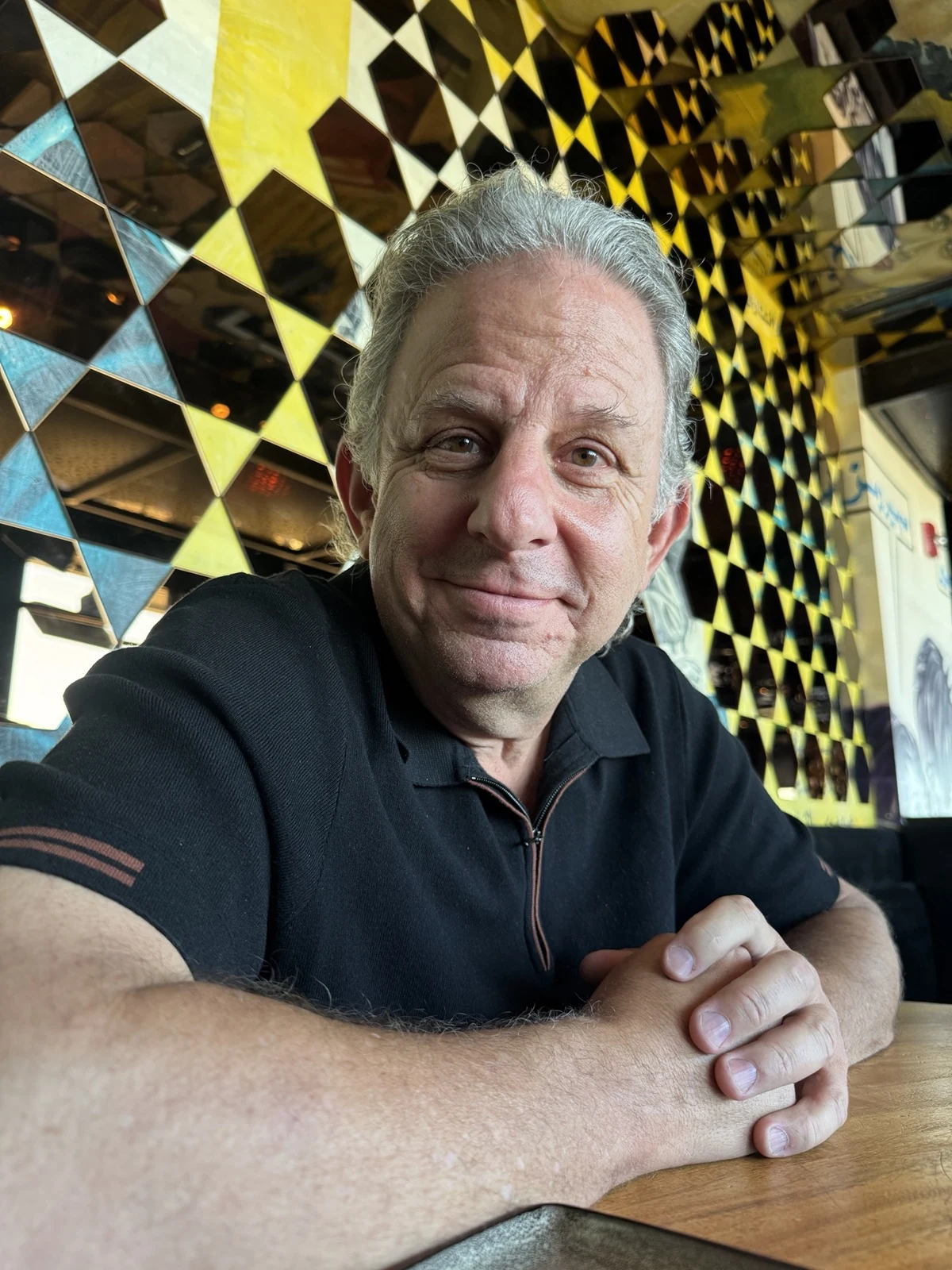
Your Guide
Paul Wagner
Paul Wagner is not a guru who lives on a mountaintop dispensing sanitized wisdom. He is a guide who has walked through Advaita Vedanta, Buddhism, Tantra, and Western mystery traditions, and brings a direct, forensic, uncompromising approach to the work.
Paul has given more than 10,000 intuitive readings, has been featured on Gaia, and is a five-time Emmy Award winner. A devotee of Amma, he has been invited to open for her programs worldwide.
He believes that your deepest wounds are not obstacles to enlightenment, but places where liberation can enter. His work is for people ready to trade spiritual platitudes for spiritual sovereignty.
Your Liberation Is Non-Negotiable.
You have carried this long enough. This two-day master retreat makes room for the investigation, return, and integration that forgiveness work asks for.
Saturday–Sunday, March 27–28, 2027 · A lovely venue in Denver - shared upon registration · $297
Register — $297Digital eBook and eWorkbook included. Delivery details are pending.
For continued practice
Registration includes a digital eBook and eWorkbook. Details will be shared with registered participants.
Questions
Questions You Might Have
Dates
Saturday–Sunday, March 27–28, 2027
Our time together
7:00 AM – 3:30 PM each day · 90-minute lunch breaks
Location
A lovely venue in Denver - shared upon registration
Included
Digital eBook and eWorkbook
Our Daily Schedule
- 7:00 – 11:00 AM · each day
- Connect & Let Go, The Sedona Method, and sustained personal forgiveness practice.
- 11:00 AM – 12:30 PM · each day
- Lunch on your own. Meals are not included.
- 12:30 – 3:30 PM · each day
- Guided practice, personal inquiry, and integration.
Register securely
Reserve your place — $297
You will continue to secure Square checkout. Venue details will be shared with registered participants.
Your payment is completed on Square’s secure checkout page. See our Privacy Policy.
No Refunds.All paid event registrations are final and non-refundable. See our Terms & Conditions.