The Post-Forgiveness Void: What Nobody Tells You
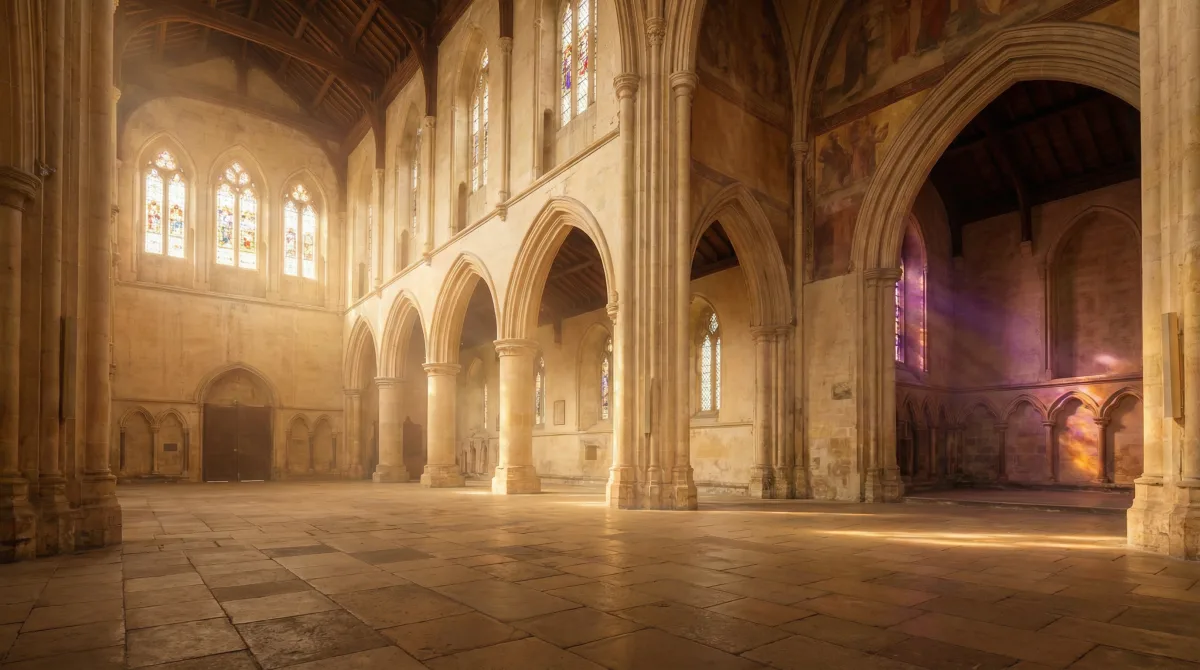
The Post-Forgiveness Void: What Nobody Tells You
Feeling empty after forgiveness does not, by itself, mean the work failed. A wound can organize your identity for years; when its grip loosens, the space it occupied may feel unfamiliar. The invitation is not to rush into a replacement identity, but to stay present and let your next choices emerge.
You did the work. The real work - not the bypassing kind. You felt the rage, processed the grief, discharged the terror, cleared the cords, broke the patterns. The wound that defined you for years, maybe decades, has genuinely healed.
And now you feel... nothing. Empty. Lost. Disoriented. Like someone removed a load you'd been carrying so long that without it, you don't know how to stand.
Welcome to the post-forgiveness void. Nobody talks about this. And it's one of the most important phases of the entire healing journey.
Why the Void Happens
The wound was taking up space. Enormous amounts of space - in your body, your mind, your energy field, your identity. You organized your life around it. Your relationships were shaped by it. Your decisions were filtered through it. Your identity was built on it.
When the wound clears, all that space opens up. And open space, after years of compression, feels terrifying. It feels like emptiness. It feels like loss - because it IS loss. You lost your wound. And your wound, as destructive as it was, was familiar.
What the Void Is Not
The void is not automatically regression. Feeling empty does not, by itself, mean you have lost your healing or that the forgiveness wasn't real. But emptiness alone cannot tell you whether you are experiencing depression, and a spiritual interpretation cannot rule it out. If the emptiness persists, frightens you, or interferes with daily life, seek qualified mental-health support rather than treating it as a test of spiritual endurance.
The void is the space between who you were (the wounded one) and who you're becoming (the liberated one). It's the gap between identities. And gaps are uncomfortable because humans are wired to fill them immediately.
What to Do in the Void
Don't fill it. That's the entire instruction. Don't rush to fill the space with a new identity, a new relationship, a new project, a new wound. Let the void be void. Let the emptiness be empty. Let the space be space.
The void is where your real life begins - not the life organized around the wound, but the life that becomes possible when the wound is gone. And that life needs space to emerge. It needs the void.
Trust the emptiness. It's not nothing. It's everything - waiting to take form.
Aham Prema
The Seduction of Filling the Void
The moment the void opens, the mind, in its terror of open space, will offer you a thousand things to fill it with. A new spiritual practice, a new relationship, a new diet, a new city, a new grand project. It will feel like a lifeline. It is a trap. To grasp at these offerings is to abort the process. It is to pave over the fertile ground before the seed of your new life has had a chance to sprout. I have seen this countless times in my work with clients. They do the grueling work of healing a deep wound, they touch the freedom, and then, terrified by the spaciousness, they immediately recreate the prison, just with new furniture. The new relationship has the same energetic signature as the old one. The new spiritual practice becomes another form of striving and self-flagellation. The void is a sacred initiation. Here is the thing most people miss. It is the chrysalis. And your only job is to endure the dissolution without panicking. You must trust the darkness. You must trust the emptiness. It is not a sign that you are broken; it is the sign that you are becoming.
Rose quartz is the stone of unconditional love, keep one close when you are doing heart work.
Pema Chodron's When Things Fall Apart is the book I give to anyone going through a dark night.
Palo santo has been used for centuries to clear negative energy and invite in the sacred. The indigenous shamans knew something we're just catching up to ~ that some energetic residue lingers after heavy emotional work. You can't just forgive and expect the space to magically fill itself with good vibes. Think about that. You've got to actively clear out what's left behind, and palo santo can be part of that ritual. It's like spiritual sage, but gentler. More intentional. I learned this the hard way after forgiving my father ~ I felt this weird emptiness for weeks afterward, like I'd torn down a wall but hadn't built anything in its place. The smoke from palo santo doesn't just mask that void... it actually helps transform it. The wood carries this sweet, almost medicinal scent. You do not need smoke or any object to sit with what remains. Wild, right?
The Body in the Void
Where does the void live in the body? It is often experienced as a hollow feeling in the chest, a sense of being ungrounded, a strange lightness in the limbs. Your nervous system, which was organized around the hyper-vigilance and tension of the wound, is now in a state of real recalibration. It is learning a new baseline. It is learning to exist without the constant threat it had grown accustomed to. This can be deeply disorienting. The practice here is rawly simple and strikingly difficult: stay in the body. Feel the emptiness in the chest without naming it, without judging it, without needing it to be different. Feel the lightness in your limbs. Let the disorientation be there. This is not a problem to be solved. It is a state to be inhabited. In my own journey, after a particularly deep layer of forgiveness, I spent months feeling like a ghost in my own life. The temptation to grasp for something solid was immense. But by staying with the raw, physical sensations of the void, by allowing them to be my primary reality, the new identity, the new way of being, began to crystallize on its own, from the inside out. It was not a mental construction. It was a cellular becoming.
Filling the Void: The Art of Conscious Creation
First make room; then choose what belongs there. Not rushing to fill the void is different from refusing to live. Conscious creation begins with a choice that expresses a value, rather than a scramble to escape the emptiness. A small act of service need not become a new identity.
Nature abhors a vacuum, and so does the psyche. If you don't consciously choose what to plant in the fertile ground of the void, your old patterns-or new, equally unhelpful ones-will rush in to fill the space. Here's the thing: it's a critical juncture. The work is to shift from victim to creator. Stay with me here. You are no longer defined by the wound; you are now defined by your choices. What do you want to create in this newfound space? What values do you want to embody? What relationships do you want to cultivate? In my own journey, after I moved through the intense grief of my mother's passing, I was left with a vast, echoing silence. For a time, it was disorienting. But then I realized that this silence was a canvas. I could fill it with the noise of distraction, or I could begin to paint a new reality. I chose to fill it with service, with deeper spiritual practice, with a more authentic expression of my own soul. Here's the thing: it's the invitation of the void: to consciously, deliberately, and creatively build a life that is not a reaction to your past, but an expression of your deepest truth.
A Brief Practice: Make Room Before You Choose
Try this for two minutes, not as another task to master, but as a pause before you reach for something to fill the space.
1. Notice. Feel your feet on the floor. Notice one sensation, perhaps hollowness in the chest or lightness in the limbs, without demanding that it change.
2. Pause. Ask, "What am I about to reach for so I do not have to feel this?" Name the impulse without shaming it. You do not have to act on it now.
3. Choose. Ask, "What value would I like to live today?" Write down one small expression of it, such as a quiet act of service. Leave the larger question of who you are becoming open.
If attention to the body feels overwhelming, stop, look around the room, and seek support. Staying with yourself is not a command to force yourself through distress.
If you are trying to distinguish release from forced calm, The Alchemy of Completion: What Real Forgiveness Feels Like continues the teaching on feeling rather than performing forgiveness. For the wider context of releasing old patterns and practicing self-compassion, explore the Emotional & Spiritual Healing guide.
Questions About This Article
Why do I feel empty after forgiveness?
A wound may have shaped your relationships, decisions, and sense of identity for years. When its grip loosens, the space it occupied can feel unfamiliar or disorienting rather than immediately joyful.
Does emptiness mean my forgiveness failed?
Not by itself. This article describes a gap between a wound-centered identity and a new way of living. Emptiness alone also cannot rule out depression; persistent or troubling emptiness deserves qualified support, not a test of spiritual endurance.
What can I do when I want to fill the void immediately?
Pause for two minutes. Feel your feet, notice one manageable sensation, and name what you are reaching for to avoid the emptiness. Then choose one small action that expresses a value. Stop and seek support if the body focus becomes overwhelming.
How can I create a new life without rushing to fill the void?
First allow room for uncertainty. Then make small choices rooted in values, such as service or a more authentic expression of yourself, rather than grabbing a relationship, project, or new identity to escape the space.